Joshua
Summary of book:
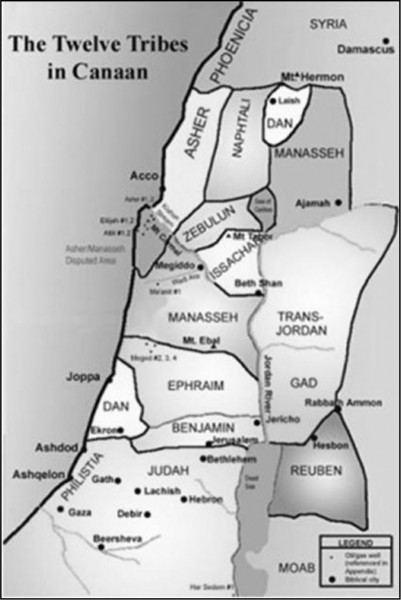
We leave the Pentateuch and the Wilderness wanderings behind us. Moses is dead. Joshua is the new leader. A river has to be crossed. A sign of their covenant with God is given. Unmoveable cities are taken. The impact of one person, Achan, on the whole nation is remarkable. They conquer the land. They break it down into 12 tribal areas under what historians call the tribal confederacy. The book ends with them renewing their covenant with God and one another.
Vital Statistics
- Purpose
The book of Joshua is written to give an account of how the nomadic Hebrews moved into the promised land, faced the challenges they met, both external and internal, and then consolidated their position.
- Author
The book of Joshua is anonymous but stays very close to the story of the character of Joshua who succeeds Moses at a crucial moment in the history of the Hebrew people. Like much of the Old Testament, the stories in the history of Israel are passed on orally for generations before being written down much later. The events are believed to have happened around 1220 BC and over a 30year period.
- Setting
The geographical setting is the land of Canaan where a group of different tribes existed side by side, loosely held together by common religious beliefs and mutual treaties.
- Key People
Joshua, Rahab, Achan, Phinehas, and Eleazar.
- Key Places
Jericho, Ai, Mount Ebal, Mount Gerizim, Gibeon, Gilgal, Shiloh and Shechem.
Other reflections:
Jesus in Joshua: Jesus is prefigured in the life of the glorious leader Joshua whose name is basically the same. Some people see a Christophany (an appearance of Christ, the Son of God before Bethlehem!) in Chapter 5. They both brought the people of God to the place of God’s promise. It is a book of contrasts: God can use a prostitute like Rahab, and yet disaster is caused by one person’s sin.
Key Verses
‘As I was with Moses, so I will be with you; I will never leave you nor forsake you. Be strong and courageous.’ (1:5,6)
Key Questions
Life and the Christian life in particular never stands still: what is the best way to move forward?